1. Introduction to ththomable Home Tips From TheHomeTrotters
A home is more than a building or a place where people sleep. It is a personal space where families spend time together, relax after busy days, welcome guests, and create memories. Therefore, maintaining a beautiful, clean, organized, and comfortable home is important for a better lifestyle.
ththomable home tips from thehometrotters is a topic that can help readers explore different ways to improve their living spaces. It brings attention to home decoration, furniture arrangement, cleaning routines, maintenance, DIY projects, and modern household solutions.
Many people believe that improving a home requires a large investment. However, this isn’t always true. Small changes can make an ordinary room look more attractive and functional. For example, changing curtains, adding indoor plants, improving lighting, or organizing furniture can refresh a space without requiring a complete renovation.
Another important aspect of home improvement is understanding personal requirements. A family home may need additional storage, while a small apartment may benefit from multifunctional furniture. Similarly, people who work from home may need a comfortable workspace.
The best home improvement decisions are those that combine beauty, practicality, and affordability.
2. What Are ththomable Home Tips From TheHomeTrotters?
Home tips are practical suggestions that help people manage, decorate, maintain, and improve their houses. These suggestions can cover almost every part of residential living.
TheHomeTrotters is associated with home-focused content, including decoration, repairs, improvement ideas, home technology, and practical household advice. Its website describes its purpose as sharing simple and useful information that readers can apply to everyday home projects.
TheHomeTrotters+1
The main purpose of exploring these ideas is to make household tasks easier and help homeowners make informed decisions.
Some important areas include:
-
Home decoration: Improving the appearance of rooms through colors, furniture, accessories, and lighting.
-
Home organization: Creating better storage systems and reducing unnecessary clutter.
-
Home maintenance: Taking care of plumbing, doors, windows, roofs, and household equipment.
-
DIY projects: Making simple improvements using available materials and basic tools.
-
Home technology: Exploring smart devices that can improve convenience and security.
-
Outdoor decoration: Improving gardens, balconies, patios, and other outdoor spaces.
These subjects are useful for homeowners, renters, beginners, and people who enjoy decorating their surroundings.
3. Why Is Home Improvement Important?
Home improvement isn’t only about making a property look attractive. It also helps improve daily comfort, safety, convenience, and functionality.
A well-maintained home provides a pleasant environment where people can complete everyday activities without unnecessary difficulties.
Improving Everyday Comfort
Comfort is one of the main reasons people improve their homes. A properly arranged living room, comfortable bedroom, and organized kitchen can make daily routines easier.
For example, placing furniture according to the available space can improve movement. Choosing suitable lighting can make reading, cooking, and working more comfortable.
Increasing Property Value
Some home improvement projects can increase a property’s appeal and potential market value.
Kitchen upgrades, bathroom improvements, fresh paint, repaired flooring, and better lighting can make a property more attractive to potential buyers.
However, homeowners should consider their budgets and local property market before making expensive changes.
Creating a Healthy Environment
Regular cleaning and maintenance help reduce dust, moisture problems, and unpleasant odors.
Proper ventilation is especially important because it helps manage indoor humidity and improves air circulation.
Homeowners should also repair water leaks quickly and address visible mold rather than simply covering affected areas with paint.
Saving Money Over Time
Preventive maintenance can help reduce future repair expenses.
For example, cleaning gutters, checking plumbing connections, and maintaining household appliances can help identify problems before they become more expensive.
4. Simple Home Decoration Ideas for Every Budget
Home decoration is one of the most enjoyable parts of improving a living space. It allows people to express their personalities and create surroundings that reflect their preferences.
Fortunately, decorating doesn’t always require expensive furniture or luxury accessories.
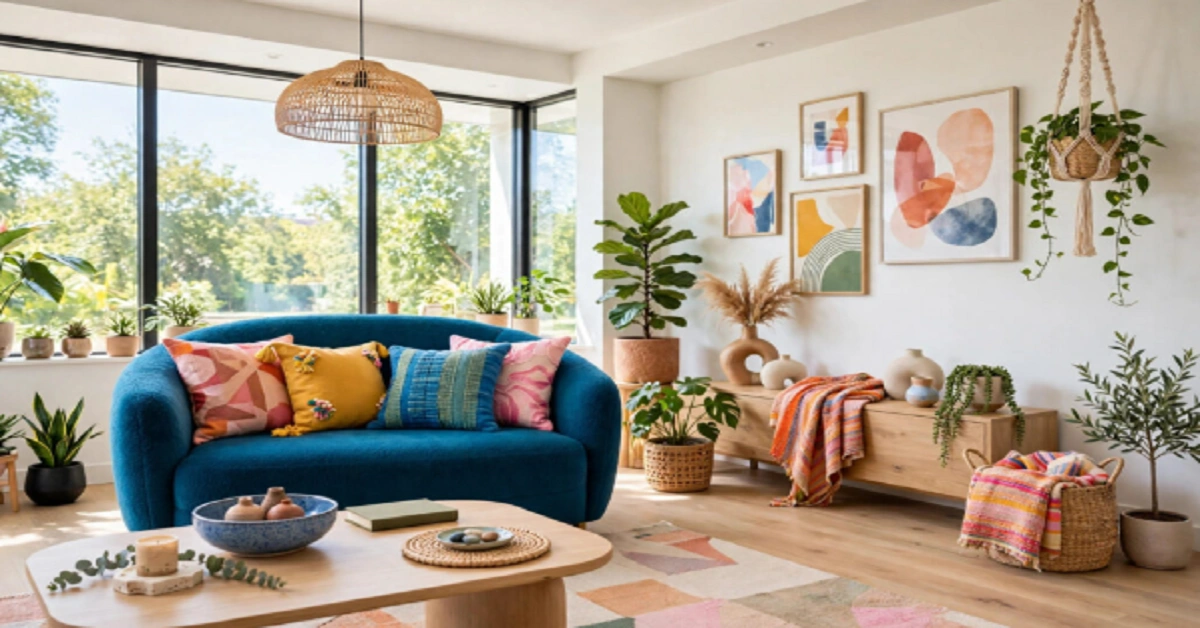
Use Decorative Cushions and Throws
Cushions and throws are simple accessories that can refresh sofas, chairs, and beds.
Choose colors that complement the existing furniture. You can combine different textures to create a comfortable and welcoming appearance.
Add Indoor Plants
Indoor plants introduce natural elements into a room.
Some popular options include:
-
Snake plants
-
Spider plants
-
Pothos
-
Peace lilies
-
ZZ plants
-
Rubber plants
Choose plants according to available light, humidity, and maintenance requirements. Remember that some houseplants can be harmful to pets.
Decorate Walls Creatively
Empty walls can make a room look unfinished. Wall decoration helps create visual interest without occupying floor space.
Some affordable ideas include:
-
Hanging family photographs.
-
Creating a small gallery wall.
-
Using decorative mirrors.
-
Displaying framed artwork.
-
Installing simple floating shelves.
-
Choosing one attractive accent wall.
The important thing is to maintain balance. Too many decorative items can make a room appear crowded.
Choose Curtains Carefully
Curtains influence the appearance and atmosphere of a room.
Light-colored curtains can create an airy feeling, while thicker materials can provide greater privacy and light control.
Before purchasing curtains, measure the windows carefully and consider the room’s existing color scheme.
5. Smart Home Organization Tips
An organized home is easier to clean, maintain, and enjoy. However, keeping everything organized can become difficult when belongings don’t have designated storage spaces.
A practical organization system should make frequently used items easy to access.
Remove Unnecessary Belongings
Start by checking cupboards, drawers, shelves, and storage areas.
Separate belongings into three categories:
-
Items you regularly use.
-
Items you want to keep but rarely use.
-
Items that are broken, unnecessary, or no longer useful.
Donate usable belongings when appropriate and dispose of unwanted items responsibly.
Use Storage Baskets
Storage baskets are useful for organizing toys, clothes, accessories, towels, and household supplies.
They also help maintain a neat appearance because smaller items can be grouped together.
Make Use of Vertical Space
Walls can provide valuable storage opportunities.
Consider installing:
-
Floating shelves.
-
Wall-mounted organizers.
-
Hanging hooks.
-
Vertical cabinets.
-
Over-the-door storage systems.
Before installing shelves or heavy fixtures, check the wall structure and use suitable fixings.
Create a Dedicated Entryway Area
The entrance is often the first part of a home visitors notice.
A small shoe rack, key holder, wall hooks, and storage bench can help prevent everyday belongings from spreading throughout the house.
This simple arrangement also makes leaving home easier.
6. Budget-Friendly Home Improvement Projects
Not everyone has the financial resources to renovate an entire property. Fortunately, many home improvements can be completed gradually.
The key is to identify projects that provide meaningful benefits without unnecessary spending.
| Project | Improvement | Budget Level |
|---|---|---|
| Repainting walls | Refreshes room appearance | Low to medium |
| Changing curtains | Improves privacy and decoration | Low to medium |
| Installing shelves | Creates additional storage | Low |
| Updating handles | Refreshes cabinets and doors | Low |
| Adding plants | Introduces natural decoration | Low |
| Improving lighting | Makes rooms more functional | Low to medium |
| Repairing leaking taps | Prevents water waste | Depends on repair |
| Rearranging furniture | Improves room layout | Usually free |
Reuse Existing Furniture
Before buying new furniture, consider whether existing pieces can be improved.
A wooden table may look better after cleaning, sanding, and refinishing. An old cabinet might become useful with new handles and a fresh coat of paint.
Paint Instead of Replacing
Painting is often a practical way to refresh walls, doors, and suitable furniture.
However, surfaces should be cleaned and prepared properly before painting. Choose products appropriate for the material and location.
Plan Purchases in Advance
Make a list of necessary materials before starting a project.
Compare prices, check product quality, and avoid purchasing decorative items that don’t serve a clear purpose.
7. Living Room Decoration and Furniture Arrangement
The living room is often one of the busiest areas of a home. Families use it for entertainment, relaxation, conversations, and spending time with visitors.
Therefore, its design should balance appearance and functionality.
Select Comfortable Furniture
Choose sofas and chairs according to the room’s size.
Large furniture may overwhelm a small living room, while very small furniture may look out of proportion in a spacious area.
Before purchasing anything, measure the available space.
Create a Clear Walking Path
Furniture should not block doors, windows, or important pathways.
Leave enough room for people to move comfortably around the seating area.
Use Rugs to Define Spaces
A rug can help create a visual boundary around a seating arrangement.
Choose a suitable size so the rug doesn’t look too small or interfere with furniture placement.
Add Suitable Lighting
A combination of ceiling lights, floor lamps, and table lamps can create a more balanced environment.
Use brighter lighting for reading and other activities that require visibility. Softer lighting can help create a relaxing atmosphere.
8. Bedroom Improvement Ideas for Better Relaxation
A bedroom should provide a comfortable environment for sleeping and relaxing.
Unlike living rooms, bedrooms generally benefit from a calmer design with fewer distractions.
Choose Comfortable Bedding
Quality bedding can improve the sleeping experience.
Consider breathable materials, suitable pillows, and bedding that matches the local climate.
Keep the Bedroom Organized
Avoid using the bedroom as a place to store unnecessary belongings.
Use bedside drawers, wardrobes, under-bed storage, and suitable organizers to keep items in their proper places.
Choose Relaxing Colors
Soft neutral shades, muted greens, warm whites, and gentle blues can create a peaceful appearance.
You don’t need to use the same color throughout the room. Small decorative contrasts can make the design more interesting.
Reduce Unnecessary Electronics
If possible, keep work-related equipment away from the sleeping area.
A simple and organized bedroom can help create a better distinction between working and relaxing.
9. Kitchen Organization and Decoration Tips
The kitchen is one of the most frequently used areas of a home. It should be clean, organized, and practical.
A good kitchen arrangement makes food preparation easier and helps reduce unnecessary movement.
Organize Cabinets
Group similar items together.
For example:
-
Keep plates and bowls together.
-
Store cooking utensils near the preparation area.
-
Separate cleaning supplies from food.
-
Keep frequently used spices accessible.
-
Store heavy cookware in convenient lower cabinets.
Maintain Clear Countertops
Avoid filling every available surface with appliances and decorative accessories.
Keep enough space for food preparation and everyday kitchen activities.
Improve Kitchen Lighting
Good lighting is important for food preparation and cleaning.
Consider appropriate task lighting under cabinets or above work areas. Electrical installation should be handled safely by a qualified professional when required.
Keep Appliances Clean
Follow the manufacturer’s instructions when cleaning refrigerators, ovens, microwaves, and other appliances.
Regular cleaning can improve hygiene and help identify maintenance problems.
10. Bathroom Maintenance and Decoration
Bathrooms require regular cleaning because moisture and frequent use can create maintenance challenges.
Even a small bathroom can look attractive when its storage, lighting, and accessories are properly arranged.
Improve Storage
Use shelves, cabinets, and suitable organizers to store personal-care products.
Keep frequently used items accessible without overcrowding the countertop.
Check Plumbing Regularly
Look for dripping faucets, leaking pipes, damaged seals, and slow drainage.
Water-related problems should be investigated early to prevent damage.
Maintain Proper Ventilation
Good ventilation helps remove excess moisture.
Use an exhaust fan where appropriate, or open a window when conditions allow.
Choose Suitable Materials
Bathroom materials should be designed for humid conditions.
Avoid using ordinary decorative products in areas where they can be damaged by constant moisture.
11. Cleaning and Home Maintenance Routines
A beautiful home requires regular care. Cleaning and maintenance are easier when tasks are divided into manageable routines.
Daily Cleaning Tasks
Some simple daily activities include:
-
Making beds.
-
Washing used dishes.
-
Wiping kitchen surfaces.
-
Returning belongings to their places.
-
Removing household waste.
-
Keeping frequently used areas tidy.
These activities help prevent clutter and dirt from building up.
Weekly Cleaning Tasks
A weekly routine may include:
-
Vacuuming carpets and rugs.
-
Mopping floors.
-
Cleaning bathroom surfaces.
-
Dusting furniture.
-
Changing bedding.
-
Cleaning frequently touched surfaces.
-
Checking kitchen appliances.
Monthly Maintenance Tasks
Monthly checks can include inspecting visible plumbing, checking door handles, cleaning filters according to manufacturer instructions, and examining areas where moisture may collect.
For more detailed maintenance, follow the manufacturer’s recommended schedules.
12. Lighting and Color Selection for Modern Homes
Lighting and colors work together to influence the appearance of interior spaces.
A room with suitable lighting and balanced colors often feels more welcoming.
Understand Natural Lighting
Before choosing wall paint, observe how much natural light enters the room.
A north-facing room may receive different light from a south-facing room, depending on the location and building design.
Testing paint samples on the wall is better than selecting a color based only on a small printed sample.
Use Layered Lighting
A practical lighting arrangement includes three main types:
| Lighting Type | Purpose |
|---|---|
| Ambient lighting | General room illumination |
| Task lighting | Supports reading, cooking, and working |
| Accent lighting | Highlights artwork and decorative features |
Combining these lighting types creates flexibility.
Explore Modern Color Combinations
Some attractive combinations include:
-
Cream and natural wood.
-
Beige and olive green.
-
White and soft grey.
-
Warm brown and muted terracotta.
-
Navy blue and light neutral shades.
Choose colors that complement existing furniture and flooring.
13. Outdoor and Balcony Decoration Ideas
Outdoor spaces can become valuable areas for relaxation and entertainment.
Even a small balcony can be transformed into a pleasant corner with thoughtful planning.
Add Suitable Plants
Choose plants according to sunlight, temperature, and available space.
Hanging planters and vertical gardens can be useful when floor space is limited.
Create a Small Seating Area
A compact chair or small outdoor bench can make a balcony more useful.
Choose weather-resistant furniture that suits the available area.
Use Outdoor Lighting
Suitable outdoor lights can make patios and balconies more attractive during the evening.
Ensure that electrical fixtures are rated for outdoor use and installed safely.
Maintain Outdoor Areas
Clean drains, remove standing water, and inspect outdoor furniture regularly.
These small tasks help maintain a pleasant and usable outdoor environment.
14. Eco-Friendly Home Improvement Ideas
Sustainable home improvement focuses on reducing unnecessary waste and using resources more responsibly.
Homeowners can make environmentally conscious choices without completely changing their lifestyles.
Some useful ideas include:
Energy-efficient lighting: Replace suitable older bulbs with energy-efficient alternatives.
Water conservation: Repair leaking taps and consider water-saving fixtures.
Furniture reuse: Repair or repurpose existing furniture instead of replacing everything.
Natural lighting: Make better use of daylight where practical.
Durable materials: Select products that are designed to last and are appropriate for their intended use.
Waste management: Separate recyclable materials where local facilities allow.
These choices can support a more responsible approach to household management.
15. Common Home Improvement Mistakes to Avoid
Home improvement projects can become frustrating when people make decisions without proper planning.
Avoiding common mistakes can save money, time, and effort.
Ignoring Measurements
Buying furniture without measuring the room can lead to overcrowding.
Always check the dimensions of furniture, doors, hallways, and available floor space.
Following Trends Without Considering Needs
A decorative trend may look attractive online but may not suit your lifestyle.
Choose designs that work with your everyday activities.
Ignoring Small Repairs
Minor leaks, loose fixtures, and damaged seals shouldn’t be ignored.
Address problems before they become more serious.
Spending Too Much on Decoration
Expensive accessories aren’t necessary for a beautiful home.
Focus on quality, usefulness, and balance rather than purchasing everything at once.
Attempting Dangerous DIY Work
Electrical installations, major plumbing repairs, structural changes, and roofing work may require professional expertise.
Never compromise safety to save money.
16. How to Find More Reliable Home Improvement Information
Online home resources can provide useful inspiration, but readers should evaluate information carefully.
When researching a project, consider the following points:
-
Check whether the information is relevant to your type of property.
-
Compare recommendations from reliable sources.
-
Look for clear instructions and safety information.
-
Check whether products are suitable for your climate and conditions.
-
Consult qualified professionals for complex repairs.
-
Avoid following advice that recommends unsafe shortcuts.
For additional general guidance, readers can explore the TheHomeTrotters About Us page to understand the website’s home-related content and purpose.
You can also consult the U.S. Department of Energy Energy Saver for information about household energy efficiency and practical energy-saving improvements.
17. Frequently Asked Questions (FAQs)
1. What is ththomable home tips from thehometrotters?
ththomable home tips from thehometrotters is a home-related topic covering practical ideas for decoration, organization, repairs, maintenance, and improving everyday living spaces.
2. What type of information can readers find about TheHomeTrotters?
Readers can explore home decoration, improvement projects, DIY ideas, household organization, maintenance advice, and smart-home technology.
3. How can I improve my home without spending too much money?
You can rearrange furniture, repaint suitable surfaces, organize storage, reuse existing furniture, add affordable decorative accessories, and improve lighting.
4. What are the best ways to organize a small home?
Use multifunctional furniture, vertical shelving, storage baskets, wall-mounted organizers, and under-bed storage. Remove unnecessary belongings to create more usable space.
5. How often should I clean and maintain my home?
Basic cleaning should be performed daily or as needed. More detailed cleaning can be completed weekly, while household maintenance checks should follow a regular monthly or seasonal schedule.
6. Are DIY home improvement projects suitable for beginners?
Yes. Beginners can start with simple projects such as painting, organizing shelves, decorating walls, and assembling suitable furniture. Complex electrical, structural, and plumbing work should be handled by qualified professionals.
7. How can I make my living room look more attractive?
Choose suitable furniture, use balanced colors, improve lighting, add decorative cushions, introduce indoor plants, and maintain a clear furniture arrangement.
8. What are some useful smart-home improvements?
Smart lighting, programmable thermostats, suitable security devices, leak sensors, and energy-monitoring equipment can improve convenience and household management.
9. How can I make my home more environmentally friendly?
Use energy-efficient lighting, repair water leaks, reduce waste, reuse furniture, improve insulation, and choose durable household products.
10. Why is regular home maintenance important?
Regular maintenance helps identify problems early, protect household materials, improve safety, and reduce the possibility of expensive repairs.
Conclusion
A beautiful and comfortable home is created through thoughtful decisions, regular maintenance, and practical improvements. Expensive renovations aren’t always necessary because even small changes can improve the appearance and functionality of everyday spaces.
ththomable home tips from thehometrotters highlights the importance of combining decoration, organization, cleaning, repairs, and modern household solutions. These ideas can help homeowners understand how to make better use of their available space while managing their budgets.
From arranging living room furniture and organizing kitchen cabinets to improving bedroom comfort and decorating outdoor areas, every project offers an opportunity to create a more enjoyable environment.
The most important thing is to begin with simple improvements, understand your household requirements, and make changes gradually. With proper planning and consistent care, any home can become more welcoming, organized, and functional.